Wooly Bolas Pillow
Experience breathable, comfy sleep with Eco-Wool Pillow: soft loft that shapes to you, stays fluffy over time, and provides adaptable support—handmade for lasting comfort.
A rigorous, brand-agnostic examination of wool mattress pads, their natural properties, and how they stack up against other natural fillings. Drawing on historical craft, modern textile science, and careful care guidance, this article offers readers a pathway to informed decisions about warmth, moisture management, durability, and longevity.
Wool has long been associated with comfort, insulation, and natural resilience. In sleep surfaces, its reputation extends beyond mere warmth: wool fibers actively manage moisture, regulate temperature, and resist microbial buildup. This guide weighs raw and processed wool fills, considers fiber origin, and compares wool with cotton and latex blends to illuminate how each option behaves in real-world conditions—from the hottest summer nights to the dead of winter.
The story of wool in bedding stretches back through centuries of textile craft. Ancient and traditional bedding often relied on wool as a core insulating layer, woven or layered within cotton or linen coverings. In modern times, wool mattress pads have evolved with advances in farming practices and textile processing. Wool’s intrinsic properties—high loft, superb thermoregulation, and natural moisture management—make it a compelling foundation for a sleep surface.
On the science side, wool’s hygroscopic nature means it can absorb moisture without feeling damp, while its crimp and loft trap air, providing insulation. It is also naturally flame resistant and resists odor buildup when properly cared for. Processed wool fills may be described as eco-wool batting, merino or other sheep-wool blends, and may be treated to improve cleanliness and handling. The origin of fiber—domestic versus imported—can influence performance, care requirements, and environmental footprint.
In practice, wool pads are often compared with cotton pads, organic cotton or wool blends, and latex-wool combinations. Each configuration yields different outcomes in warmth, breathability, and feel. A wool-filled pad tends toward a plush, springy loft that maintains warmth in cool weather while remaining breathable in warmer months.
Raw wool versus processed fills presents a spectrum of density, loft, and resilience. Raw or lightly processed wool tends to offer a natural crimp that contributes to loft and breathability, while more processed or carded wool may yield a uniform fill with predictable compression. When evaluating a wool pad, consider fiber origin (domestic versus imported). Domestic wool often reflects local farming practices and may align with shorter supply chains and transparent ethics. Conversely, imported wool can deliver a broader palette of fiber types and finishes, depending on processing standards.
Wool shines in moisture management and temperature regulation, making it particularly suitable for sleepers who shift between warm and cool climates. Cotton tends to be highly breathable and easy to care for, but it may not regulate moisture as aggressively as wool. Latex blends add a different contour and bounce, often producing a firmer, more resilient feel, while wool contributes natural softness and loft. The best choice depends on sleeping posture, climate, and sensitivity to heat or moisture.
Proper care sustains loft and reduces piling. Wool pads respond well to air-out routines, spot cleaning, and occasional machine washing when the product design permits. Drying methods are crucial; excessive agitation or heat can cause felting or shrinkage. A wool pad’s longevity is tied to how well it resists compression and maintains loft after repeated cycles of use and washing.
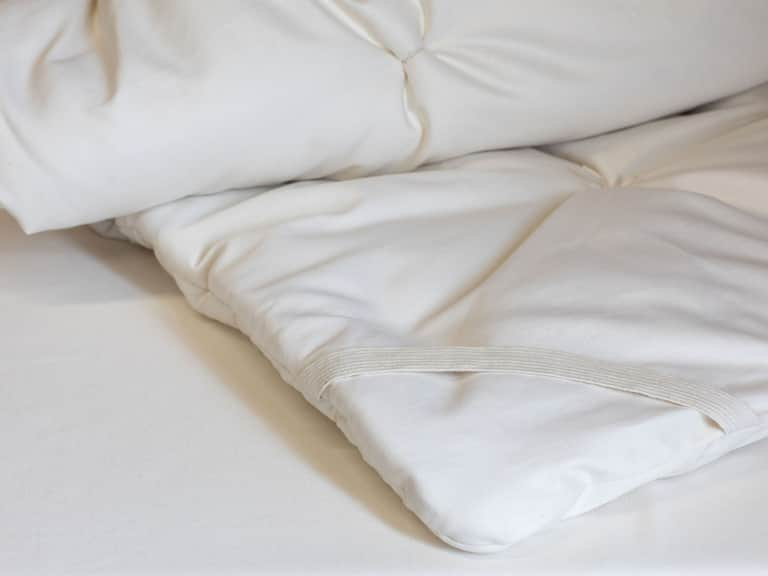
Practical signals of quality include uniform stitching, well-distributed fill in each chamber, and a cover that balances breathability with durability. For pads marketed as washable, verify washing instructions, recommended detergents, and drying guidance to preserve fabric integrity and wool fill.
While this guide remains brand-agnostic, it draws on widely cited attributes from notable lines such as Naturepedic organic wool pillows, Healthy Choice Organic Wool Pillows, and Obasan organic wool products. In the realm of mattress pads, the focus remains on the properties of the wool fill, the perceived loft, and the care requirements that maximize a pad’s lifespan.
The goal is to help readers translate product specifications into practical expectations: how much loft a pad offers, how effectively it wicks moisture, how stable the fill remains over time, and what kind of care schedule will protect both the pad and the mattress beneath.
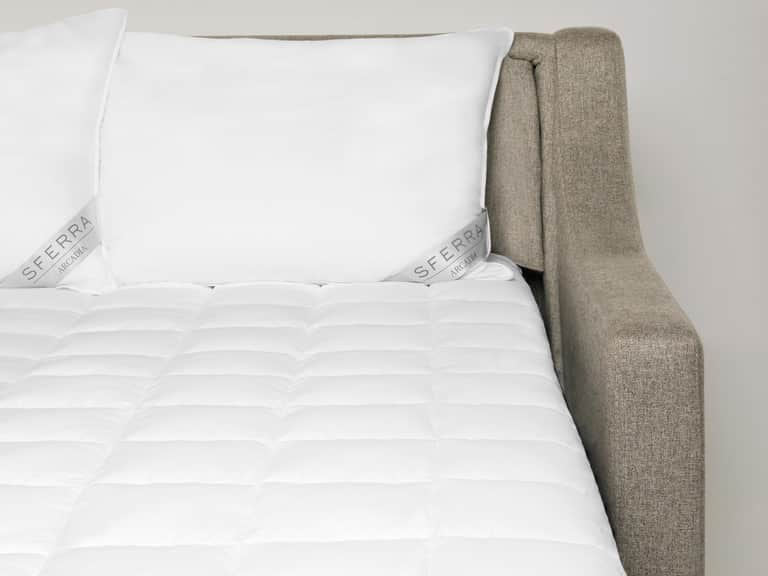
To illustrate the practical implications, consider a hypothetical wool-filled topper paired with a sturdy 100% cotton cover. The wool’s natural elasticity supports a comfortable contour, while the cotton cover allows for breathability and easy washing. In contrast, a latex-wool blend may feel firmer and more resilient, with different care implications, particularly around heat tolerance and moisture handling.
A high-quality wool pad should maintain loft across multiple seasons and washes, with fill that doesn’t clump in a short period. Indicators of lasting performance include uniform stitching, minimal migration of fill, and a cover that retains its softness and integrity after repeated launderings.
The lifecycle of a wool mattress pad is shaped by how often it is used, how it is cared for, and how well it coexists with the bedding system above it. Sustainable choices—such as organic wool and organic cotton covers—often correlate with thoughtful supply chains and longer product lifespans.
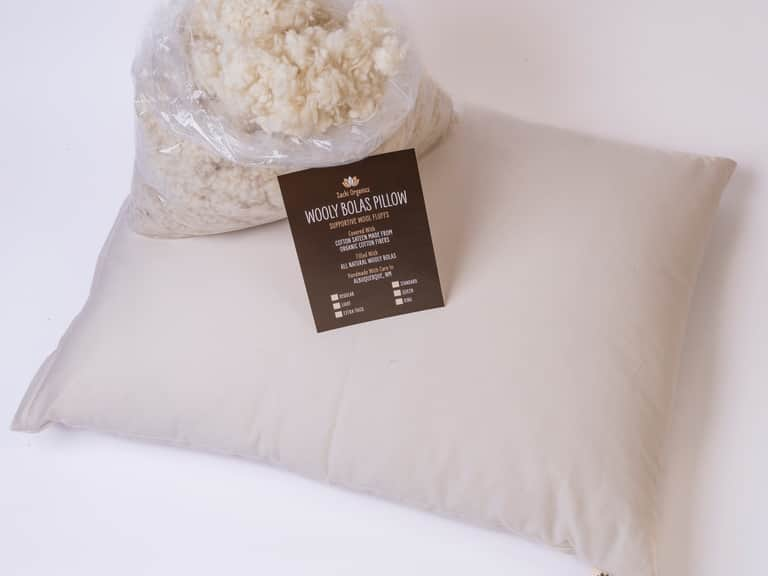
The Wooly Bolas Pillow is a practical example of wool’s comfort potential. While not a mattress pad, this pillow demonstrates how Eco-Wool batting yields a soft, adaptable loft with natural resilience. Its six-step carding process creates consistent batting, supporting breathable sleep surfaces without sacrificing loft over time.
Materials are domestic, aligning with the broader emphasis on transparent supply chains. The pillow’s Wool filling, along with an organic cotton shell, mirrors the textile ethos of wool-based sleep products: natural materials, careful construction, and a respect for the wearers who spend hours each night beneath them.
Note: Image showcases Wooly Bolas Pillow, illustrating the aesthetic and tactile potential of Eco-Wool in sleep products.
Although not a textile artisan, Hypatia represents the long tradition of empirical inquiry—an archetype for the modern appetite to understand natural materials. Her era’s observational approach informs how we study wool’s properties today: moisture management, temperature neutrality, and material behavior under different conditions can be traced through centuries of hands-on knowledge and scholarship.
As a collector of natural history in the early medieval period, Isidore’s compilations foreshadow the systematic cataloging of materials. In a modern context, his impulse to organize knowledge mirrors the way readers approach product categories, fiber sources, and care guidelines—an intellectual lineage that informs brand-agnostic education on wool.
A modern figure whose journalistic lens highlighted everyday material culture, Bourke-White’s spirit of observation resonates with the field-guide style of this article: careful description, credible sourcing, and a focus on how fabrics affect real-life comfort and health.
For readers seeking a sleep surface that leans toward natural materials and careful craftsmanship, a wool mattress pad can offer warmth and comfort with a remarkable ability to manage humidity and temperature. Its longevity depends on thoughtful care, appropriate washing guidance, and realistic expectations about loft retention. In the end, the choice hinges on personal preference, climate, and the sensitivity of the sleeper.
This guide’s purpose is to equip readers with the vocabulary and framework necessary to evaluate wool-based pads without falling into promotional traps. By understanding fiber origin, fill weight, and construction quality, shoppers can identify pads that promise longevity, effective moisture management, and sustainable performance.
For further reading, consult reputable textile science sources and bedding-centric education platforms. When evaluating any product, prioritize clear fiber sourcing, transparent care instructions, and consistent construction that supports even fill distribution.
A concrete example of a wool-based option from the product line is the Wooly Bolas Pillow (Eco-Wool batting, domestic origin). While this piece is a pillow, the underlying wool properties carry into mattress pads and toppers, offering a glimpse into the performance you might expect of a high-quality wool fill.